
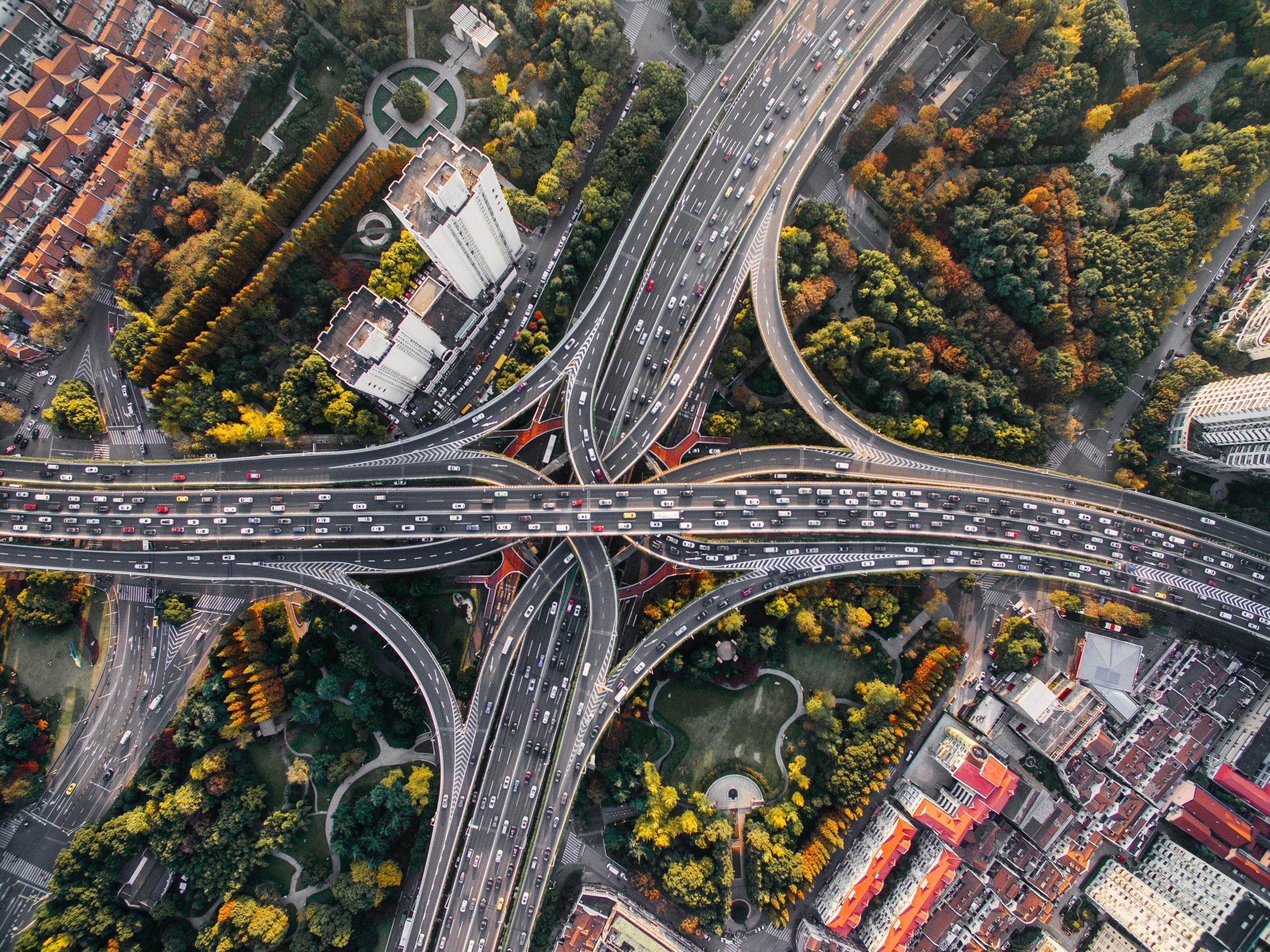
COMPREHENSIVE SUSTAINABLE URBAN MOBILITY PLANS (PIMUS)
We develop planning and management instruments and tools known as PIMUS (Comprehensive Sustainable Urban Mobility Plans / SUMPs), aligned with urban mobility laws and regulations, which establish the strategic guidelines, actions, responsibilities, and investments required to ensure the operability, efficiency, environmental soundness, and sustainability of an integrated mobility system, network, and infrastructure within a defined area, polygon, or urban center (whether urban, semi-urban, or rural)—accounting for key factors such as trips (passengers and freight), supply chains, mobility infrastructure, road networks, corridors, public health, environment, integrated urban transit systems, crash rates, safety, and accessibility. These plans or programs comprise a technical diagnosis, collaborative stakeholder diagnosis, comprehensive strategy, and specific mobility KPIs.
Sustainable mobility meets the travel and urban mobility needs of people, goods, and assets to access services and opportunities through a transport model grounded in the mobility hierarchy, low carbon emissions (carbon footprint), efficient resource and energy utilization (energy efficiency), transport safety (safety, equity, and accessibility), congestion relief (efficient travel times), crash reduction (risk mitigation), efficient public transit, modernized transport networks and infrastructure, integration of all urban mobility modes (pedestrian, cycling, land, maritime, air, rail, and cable-car/funicular public transit, emergency vehicles, freight, containerized cargo, tourism, private vehicles, non-motorized, motorized, and electromobility), and the mitigation of environmental, social, economic, and public health impacts.
STAGES OF THE COMPREHENSIVE MOBILITY PLAN OR PROGRAM (PIMUS):
Eleven (11) stages are structured into the PIMUS framework, incorporating telemetry systems (traffic flow control, administration, automation, and management), GPS, cameras, SCADA systems, UPS units, and Artificial Intelligence to achieve peak efficiency, governance, control, and automation:
- Introduction and Background.
- Technical Analysis / Diagnosis and Urban Mobility Characterization.
- Social & Collaborative Diagnosis with Urban Mobility Sectors and Stakeholders.
- Analysis of Opportunities, Risks, Priorities, and Projections.
- Technical Analysis of Mobility Solutions and Feasibility.
- Master Plan, Comprehensive Strategy, Mobility KPIs, Investments, Vision, and Governing Council.
- Administration, Control, and Automation.
- Social Outreach Campaigns, Integration, and Implementation.
- Pilot Testing and Commissioning.
- Monitoring and Evaluation.
- Corrective and Preventive Actions.
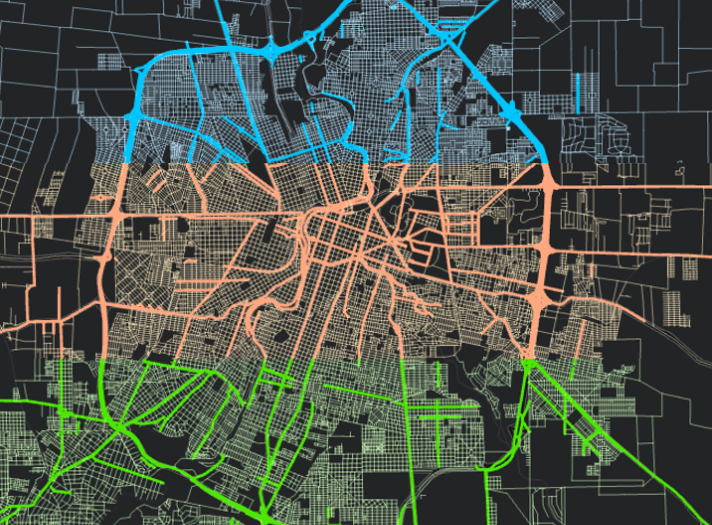
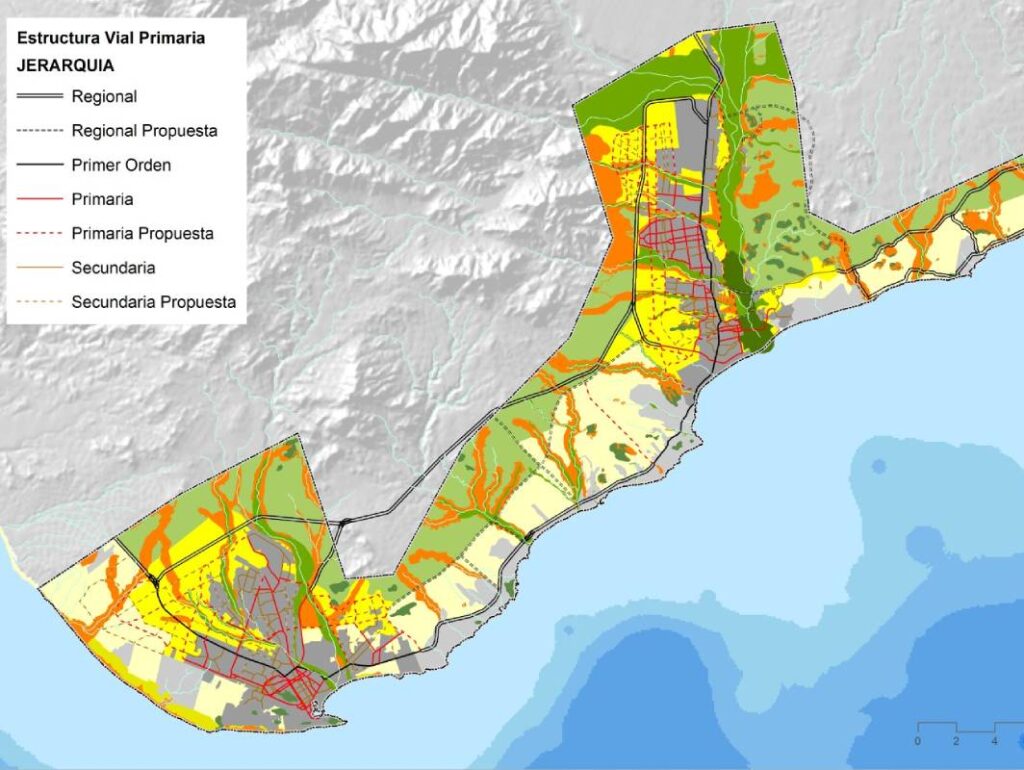
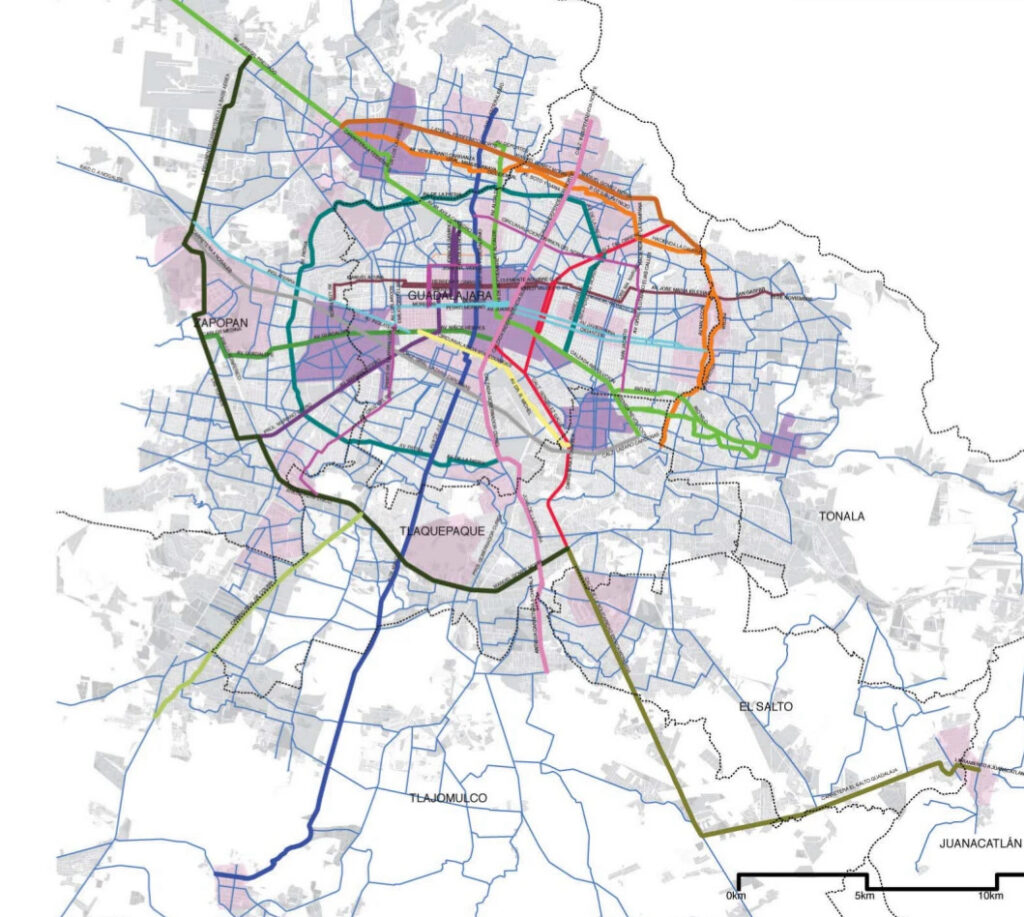
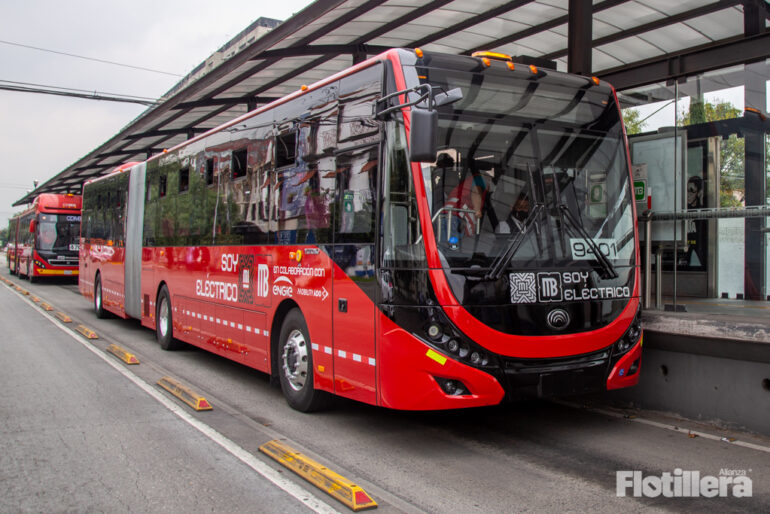
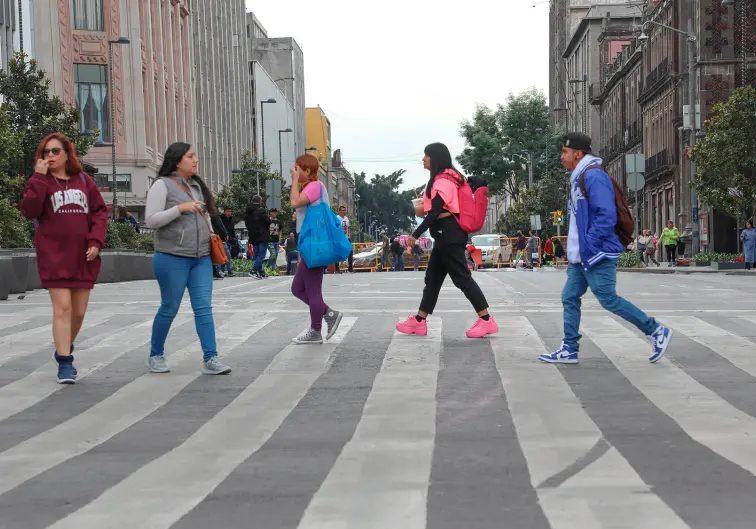
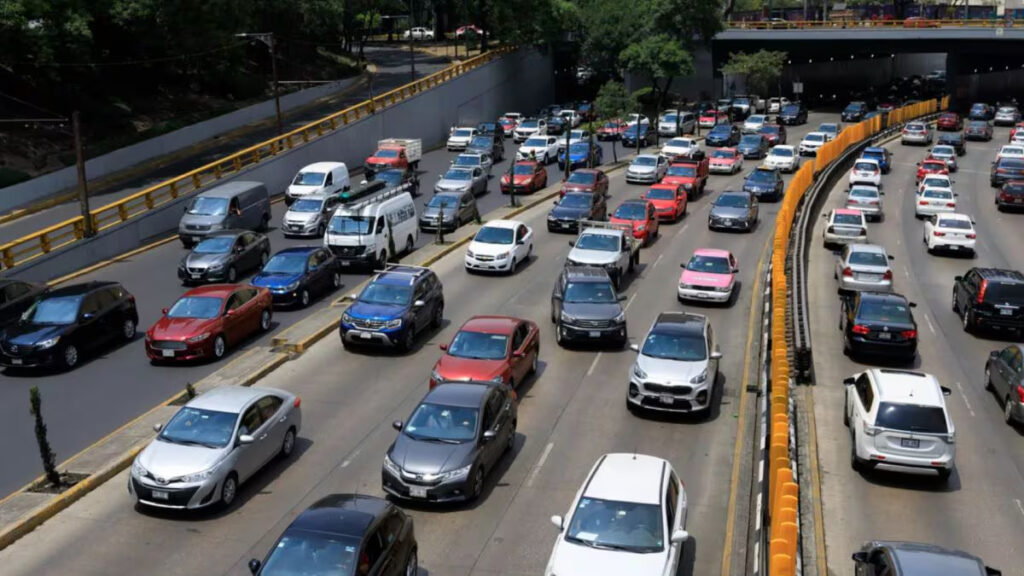
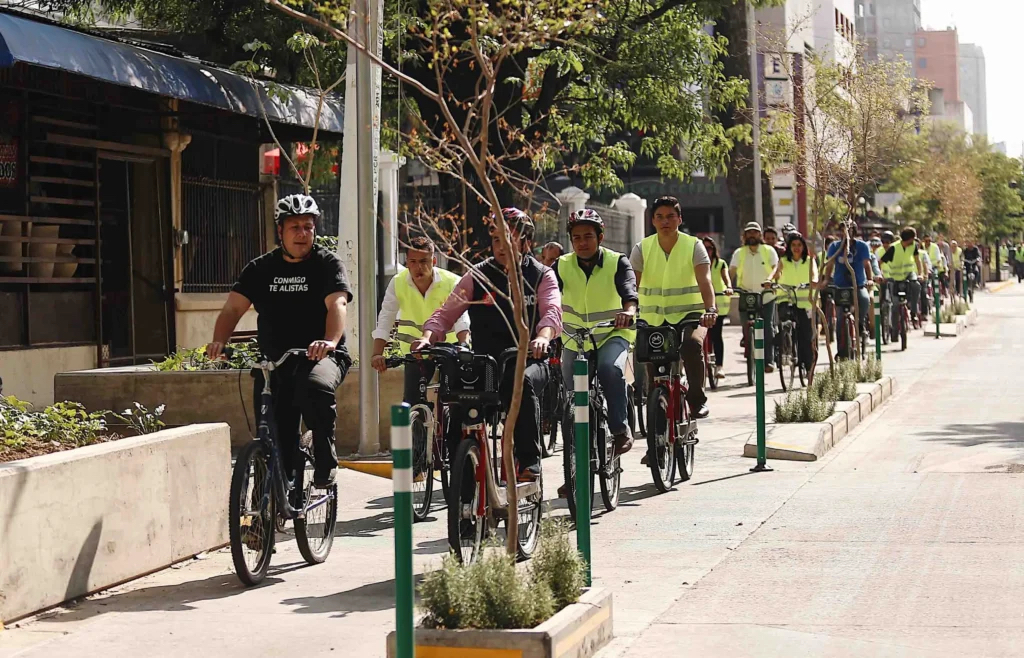
Call us to request a quote and learn the full scope of a Comprehensive Sustainable Urban Mobility Plan (PIMUS)—whether for a polygon, district, hub, urban core, city, or municipality... Contact us for a comprehensive proposal tailored to your exact requirements!
STUDIES, ANALYSES, AND STRATEGIES ON SUPPLY, DEMAND, AND INVESTMENT IN PUBLIC TRANSPORTATION
We conduct diverse activities, services, research, analyses, and technical reports that define and characterize current and projected supply and demand across public transportation (mass transit, feeder/lower-volume transit, ride-hailing apps, personal non-motorized mobility, and electromobility), as well as the networks, infrastructure, street furniture, and equipment supporting its efficiency and operation—including telemetry hardware and software (administration, control, and automation)—in order to establish baseline history, characteristics, deficits, and current opportunities, alongside the planning, investment, and actions required to fulfill an integrated, efficient vision compliant with user needs, regulations, and applicable legislation.
Studies, Analyses, Research, Plans, and Strategies for Public Transportation:
- History and Background of Public Transportation.
- Environmental, Infrastructure, and Road Network Characterization & Analysis.
- User Characterization & Analysis, Vulnerable Groups, Origin–Destination Travel Times, and Rider Requirements.
- Public Transit Characterization, Modes & Analysis: Routes, Stops/Stations, Headways/Frequencies, Operator Profiles, Governance Models (Public, Private Concession, or PPP), Cost–Fare–Efficiency Analysis, Fleet Operating Conditions & Scrappage Programs, and Carbon Footprint & Energy Consumption Analysis.
- Risk, Opportunity, Projection, and Vision Analysis for Public Transportation.
- Supply–Demand Balance and Equilibrium Points in Public Transit.
- Feasibility, Efficiency, and Investment Analysis for Sustainable and High-Performance Public Transit Solutions.
- Analysis, Strategy, and Projection of Access Points, Stops, Schedules, Origin–Destination Times, Transfers, and 6D Indicators for Public Transit.
- Analysis, Strategy, and Projection of Upgrades and Investments in Road Infrastructure, Traffic & Mobility Equipment, and Telemetry Systems.
- Investment Planning, Commissioning, and Social Impact Campaigns.
- Social Outreach Campaigns, Integration, and Implementation.
- Amendments, Updates, and Enhancements to Current Legislation and Public Investment Frameworks.
- Inspection, Preventive Actions, and Corrective Measures.
- Integration into Command and Control Centers via Telemetry.
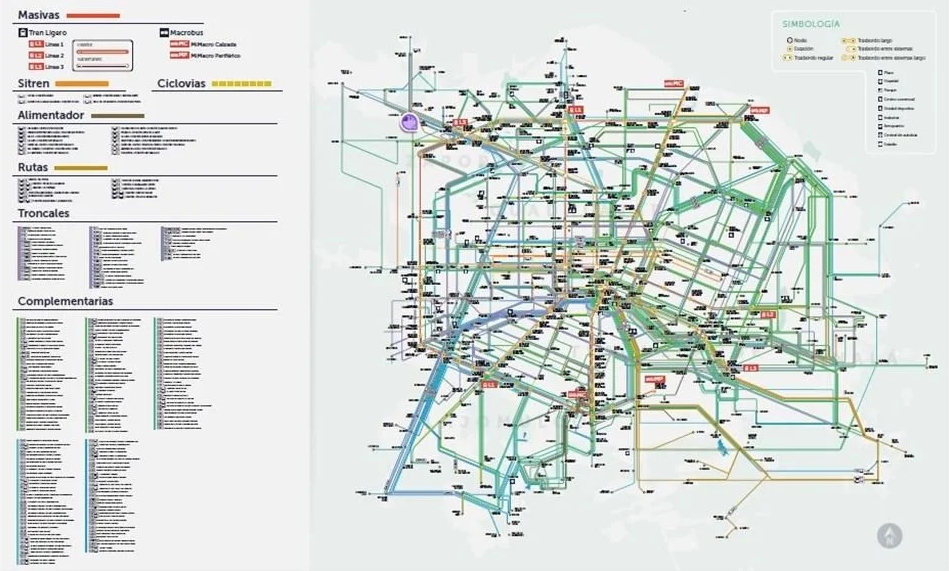
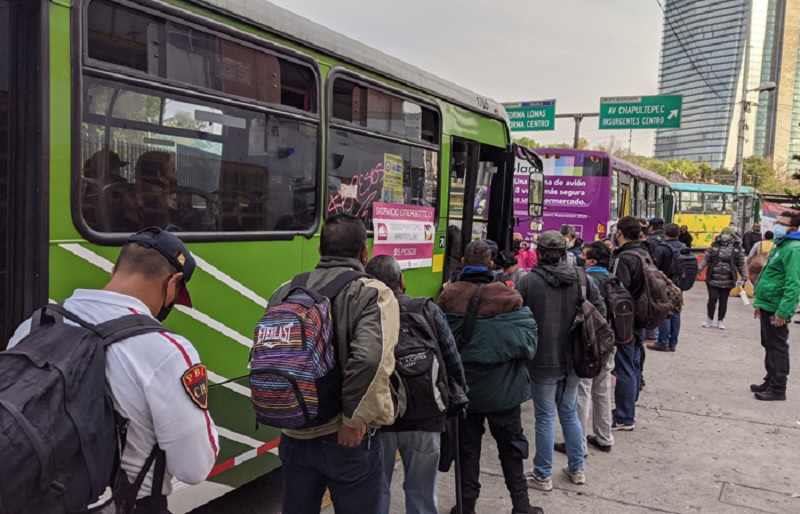
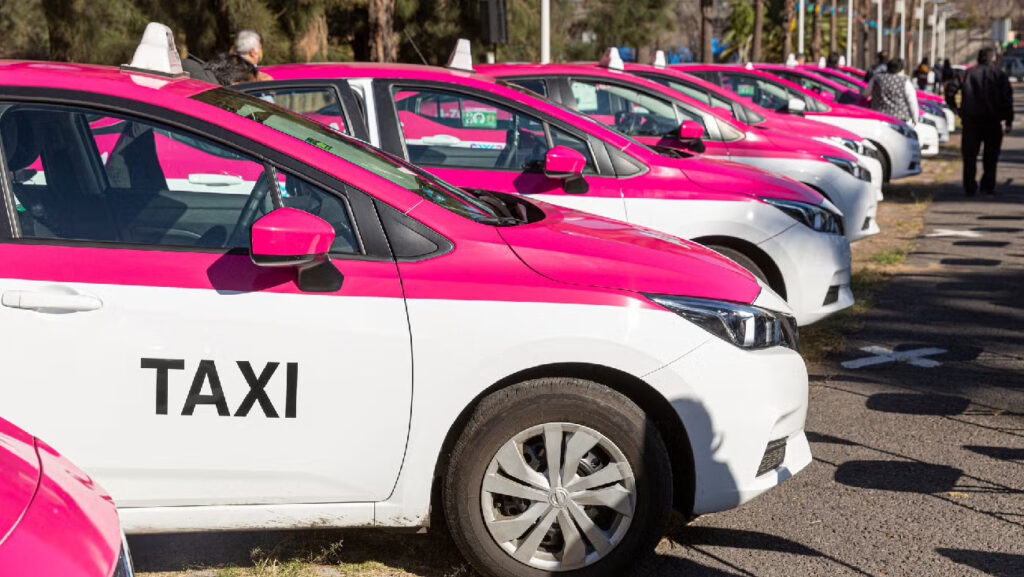
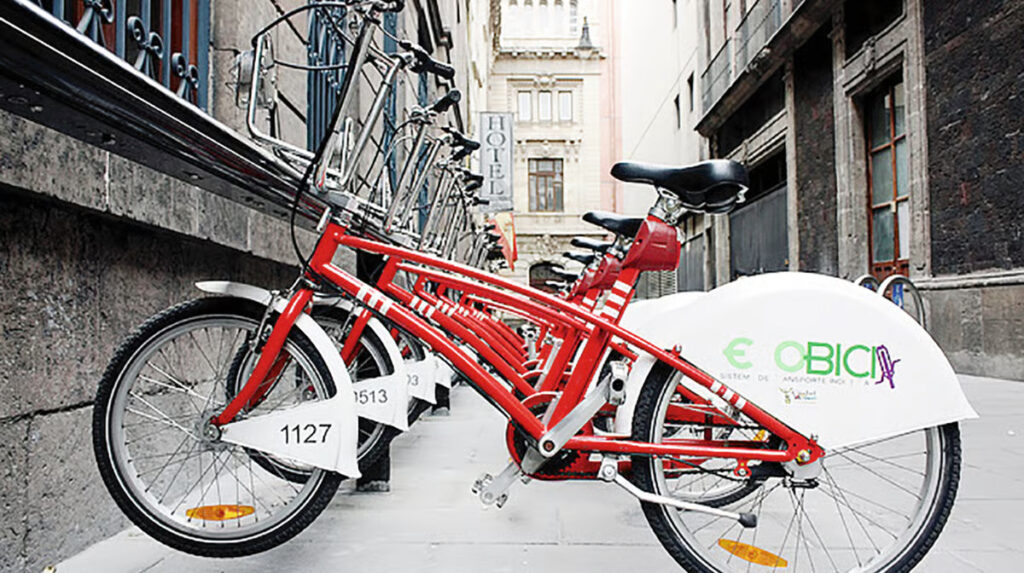
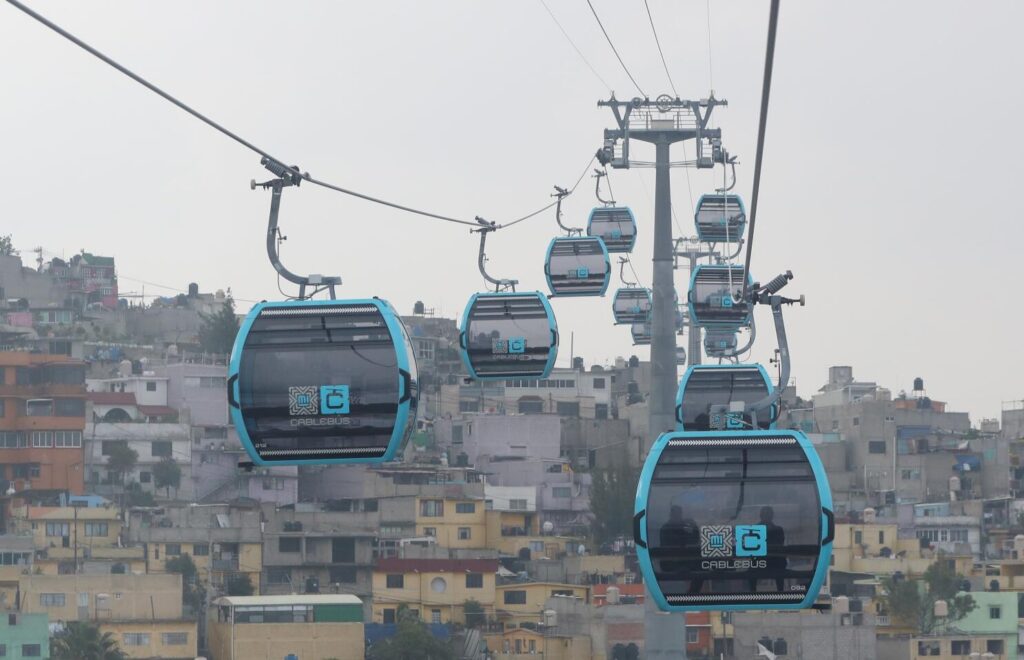
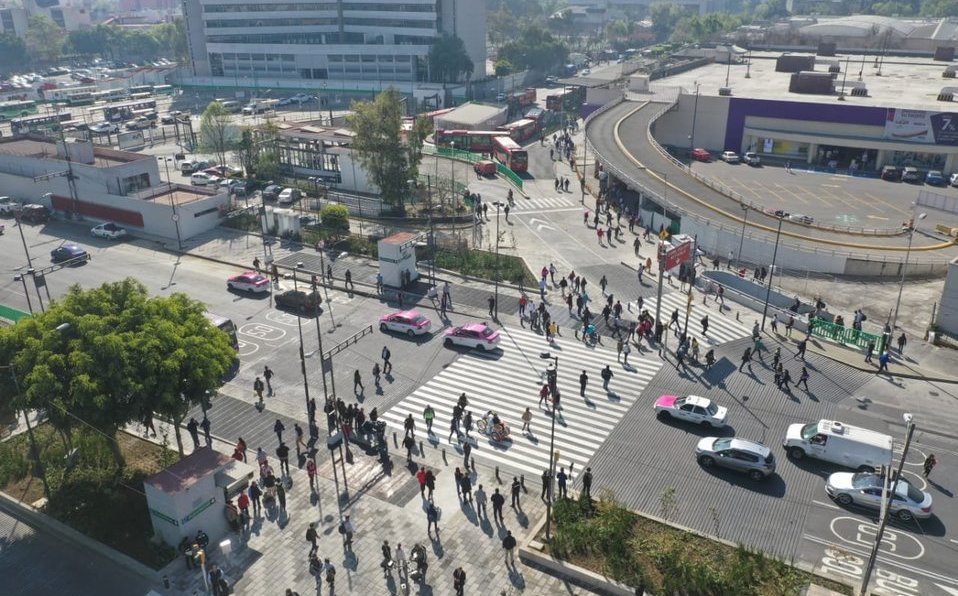
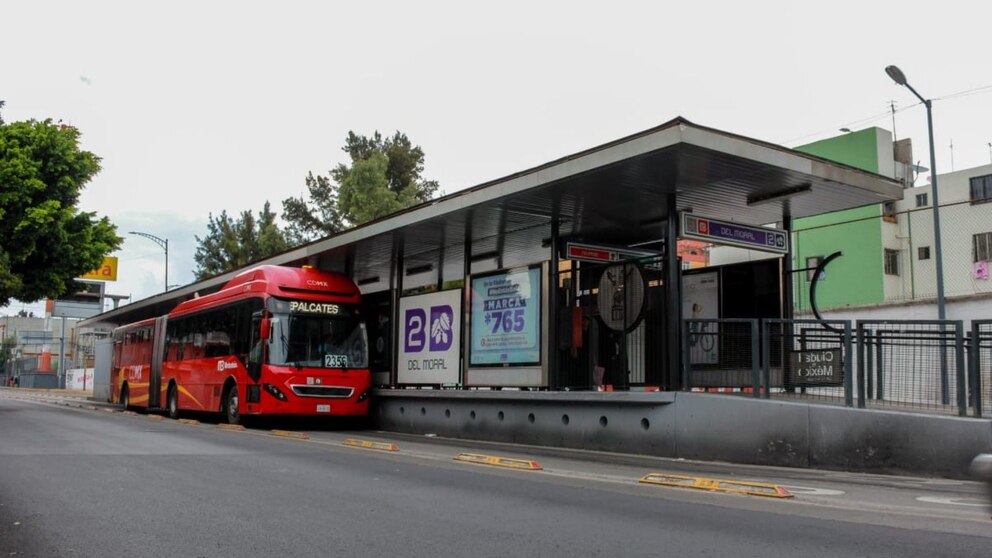
If you want to evaluate public transportation conditions, determine deficits and opportunities, and identify required investments, planning, and solutions—in short, how to solve public transit challenges in your municipality... Contact us!
TRANSPORTATION ENGINEERING
Services, analyses, research, engineering, and design (scientific, cartographic, technological, social, civil, architectural, electrical, hydraulic/stormwater, environmental, public health, zoning, legislative, and statistical) to develop solutions, projects, transfer centers, polygons, connectivity hubs, road networks, and urban corridors—achieving safe, efficient, affordable, economical, sustainable, controllable/manageable, and environmentally sound mobility across macro-road networks, micro-road networks, public transit, non-motorized transport, motorized traffic, pedestrian mobility, funicular/cable-car transit, rail transport, airport transit, maritime transport, and freight/logistics transport.
Our core service functions include:
Planning and Design
Geometric, architectural, roadway, and structural design of networks, corridors, and modal transfer hubs.
Research and Development
Traffic modeling, demand studies, flow simulation, and specialized technical assessments.
Traffic Management
Intersection optimization, intelligent traffic signal timing, signage, and traffic calming.
Operation, Control, and Automation
Telemetry integration, real-time monitoring, and technological administration of traffic flows.
Governance, Policy, and Legislation
Regulatory updates, traffic and mobility codes, and public investment frameworks.
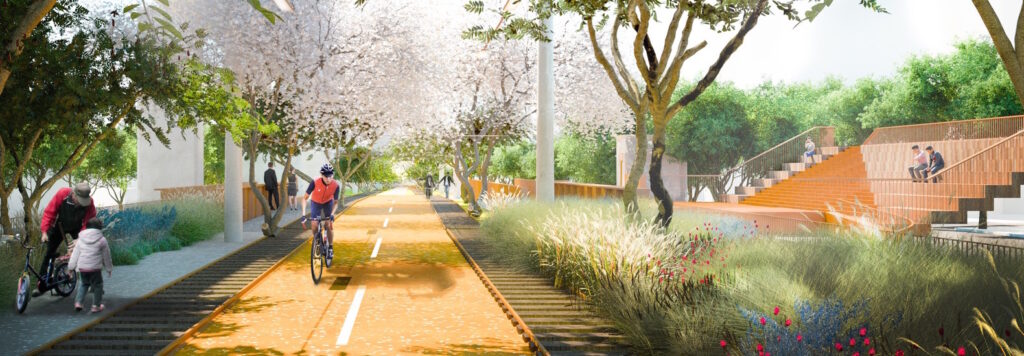
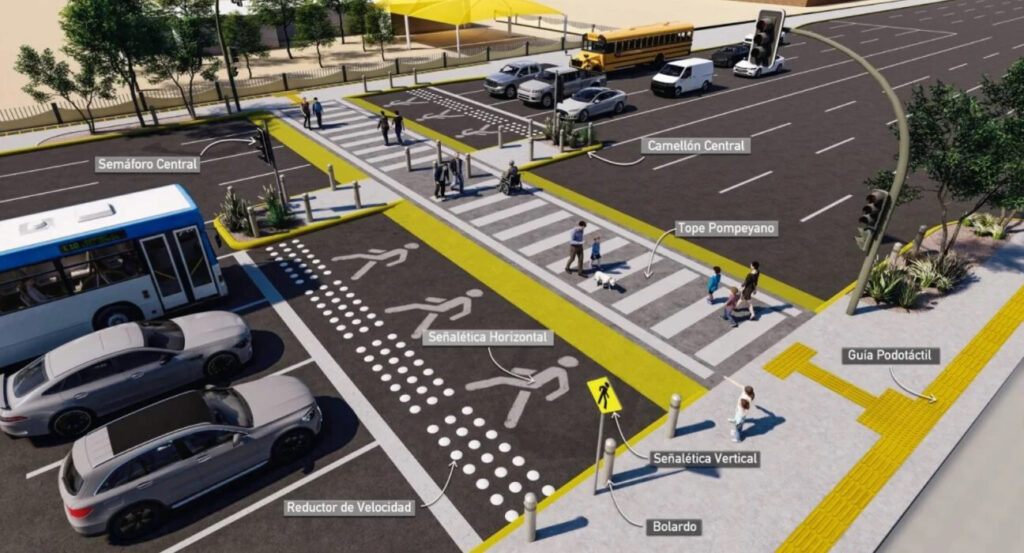
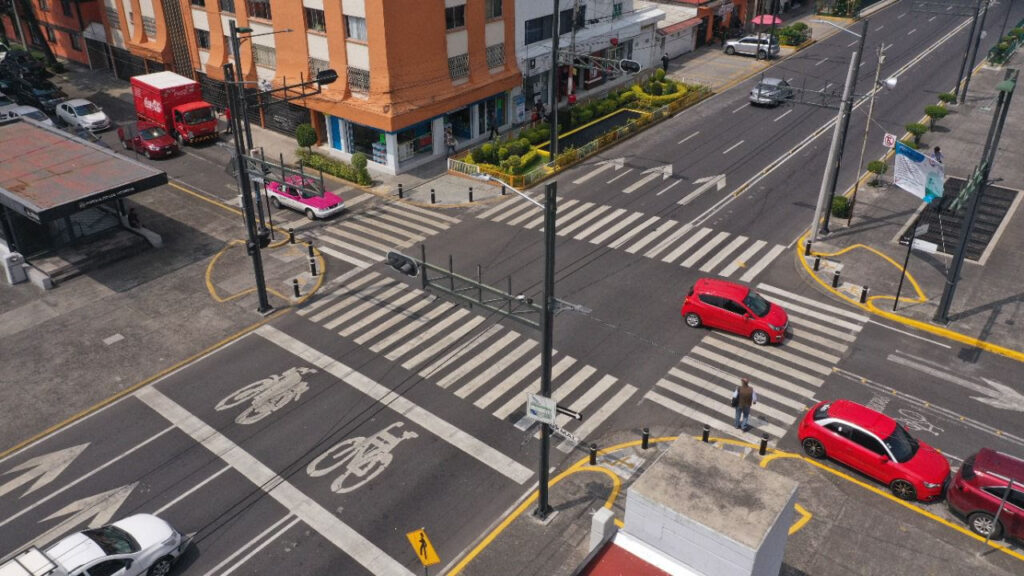
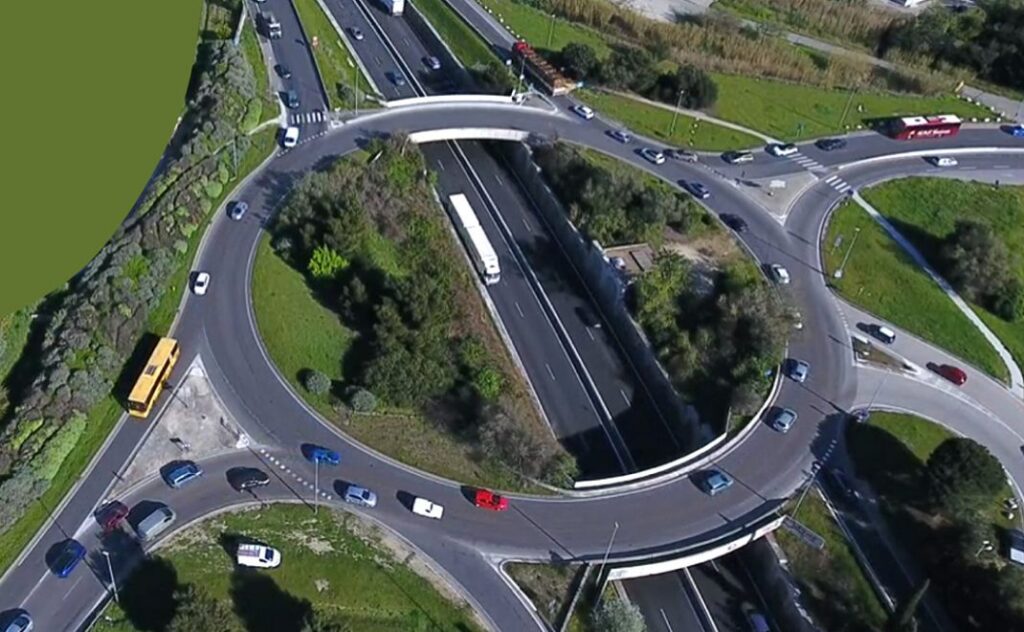
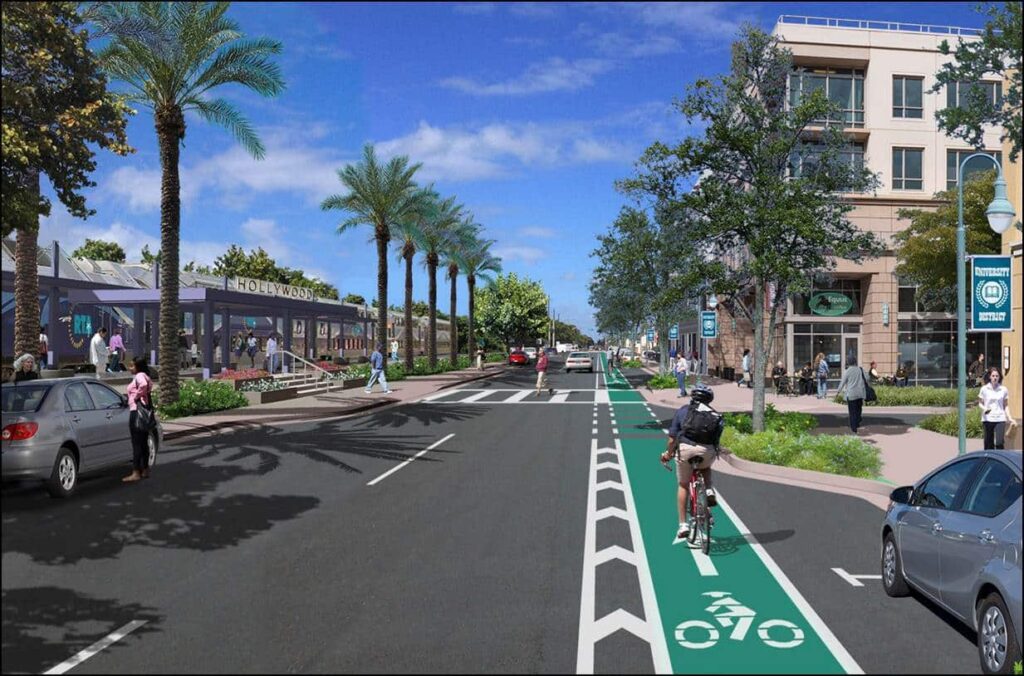
We execute diverse activities, studies, analyses, research, formulations, designs, and transportation engineering for projects, hubs, intersections, roadways, and pedestrian, cycling, vehicular, and public transit infrastructure... Contact us and we will gladly discuss your requirements or projects!
ANALYSIS AND INVESTIGATION OF SPECIFIC CASES, INFRASTRUCTURE, PROJECTS, AND DEFICIT OR HIGH-RISK NODES
We analyze, characterize, and determine deficits, risks, and viable solutions for specific projects, regions, polygons, transfer centers, connectivity hubs, infrastructure, and road or transit networks and systems:
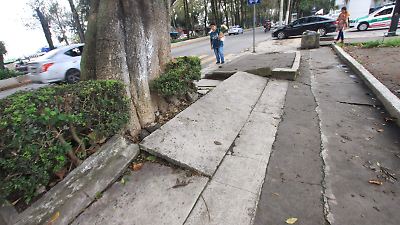
- Physical Barriers & Unsafe Sidewalks: walkability audits and removal of pedestrian obstacles.
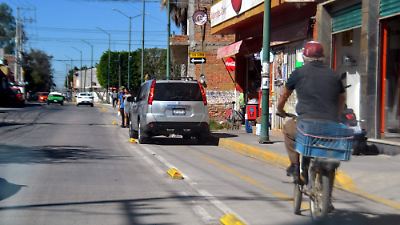
- Bike Lane Encroachment & Conflicts: redesign and protected segregation of cycling infrastructure.
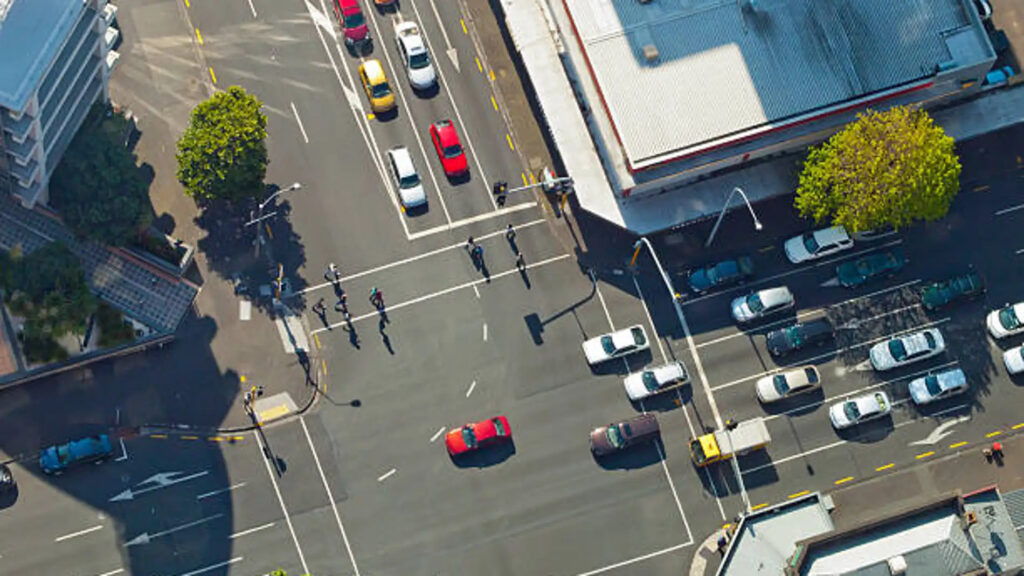
- Unsignalized Intersections & Hazardous Corridors: traffic signal, signage, and roadway lighting projects.
- Congestion Bottlenecks at Ports & Industrial Parks: queue length studies, maneuvering yards, and freight access design.
- Post-Crash Forensic Assessment: technical incident reports and preventive geometric redesign.
CONTACT US
Are your projects or infrastructure falling short of expected results?
If you are facing a bottleneck, technical questions, or challenges in your road or transportation systems, we identify the deficit, risk, and alternative solutions.
BUSINESS CONTACT